Montenegro is a country of exceptional diversity, in which the sea, mountains, lakes and cities with a rich history alternate in short distances. Along the 294 kilometers of the Adriatic coast there are old coastal towns, while the Bay of Kotor, one of the most impressive landscapes of the Mediterranean and part of the UNESCO world heritage, is a special place where nature and history meet.
It is in this unique setting that the EU-Western Balkans Summit is being held.
In the interior of the country are mountain massifs, canyons and five national parks, including Durmitor, Biogradska gora and Lake Skadar, which make Montenegro one of the most diverse natural entities in Europe.
In a small area, natural contrasts, cultural heritage and rich tradition are united, which is reflected in cities, customs and everyday life.

Montenegro's landscapes offer compelling visual stories around every corner.
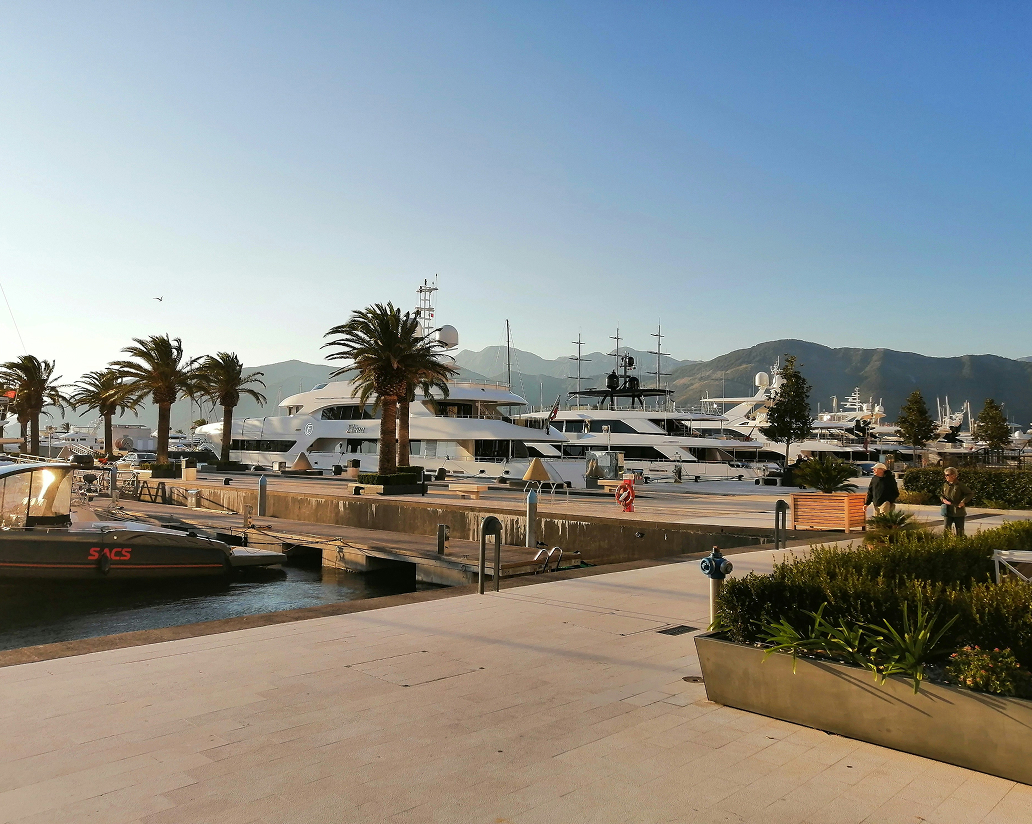
Summit Venue
Award-winning superyacht marina in Tivat, the Summit's host venue and a dramatic diplomatic backdrop.
Event location
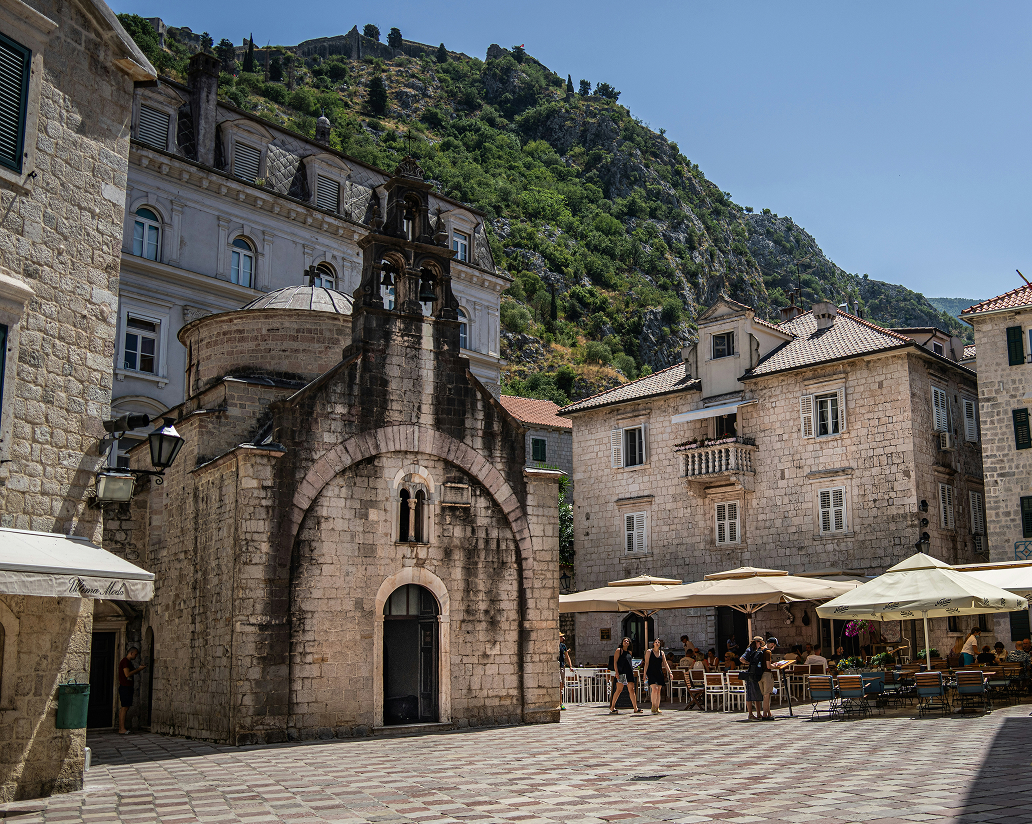
UNESCO Heritage
Medieval walled city on the Bay of Kotor. Venetian alleys, a hilltop fortress, and panoramic views.
8km from the event
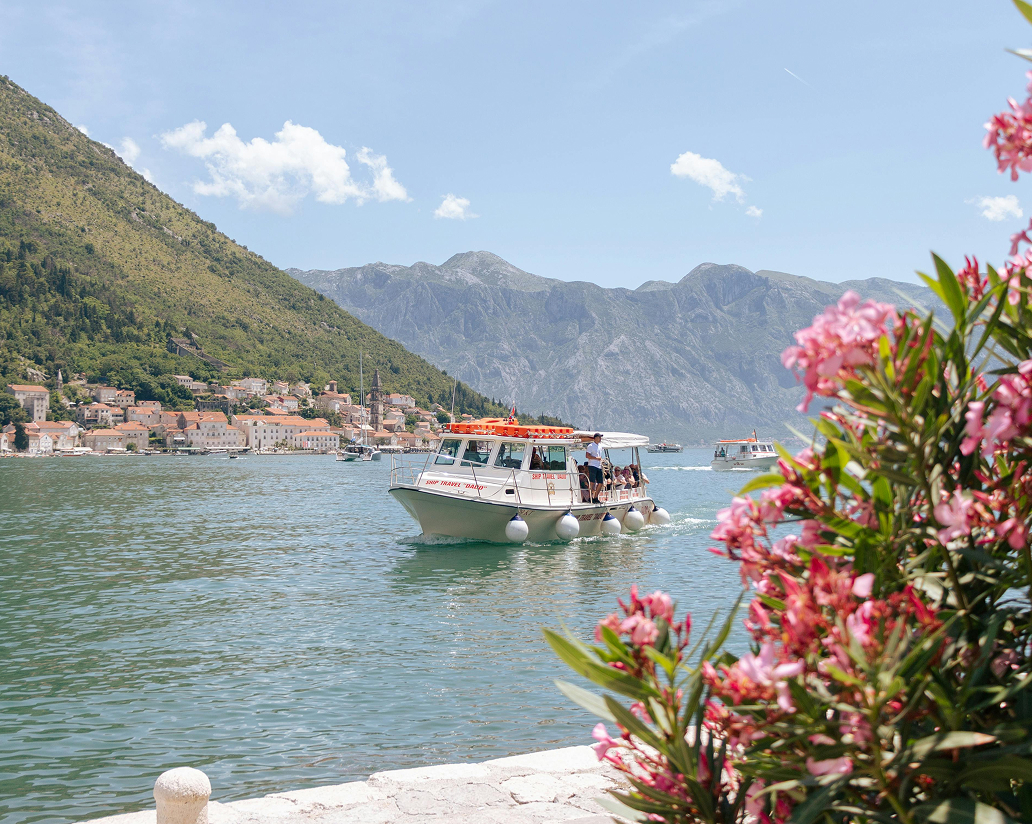
Natural Wonder
Europe's southernmost fjord — serene blue-green waters framed by towering limestone peaks.
4km from the event

Mountain Views
A 30-min drive from Tivat reaches panoramic coastal views from 1,749m altitude.
30km from the event
Porto Montenegro and Tivat are fully equipped to support international media coverage of the Summit.
Montenegro is easily accessible from major European cities, with international airports in Tivat and Podgorica. It is a country where natural diversity, cultural identity, and modern lifestyle come together in a unique way.
1
2
Population:
623,000
Territory:
13,812 km²
Coastline:
294 km
National parks:
5
UNESCO sites:
2
Capital:
Podgorica
Currency:
Euro
Time zone:
CEST (GMT+2)
Climate:
Mediterranean
and continental